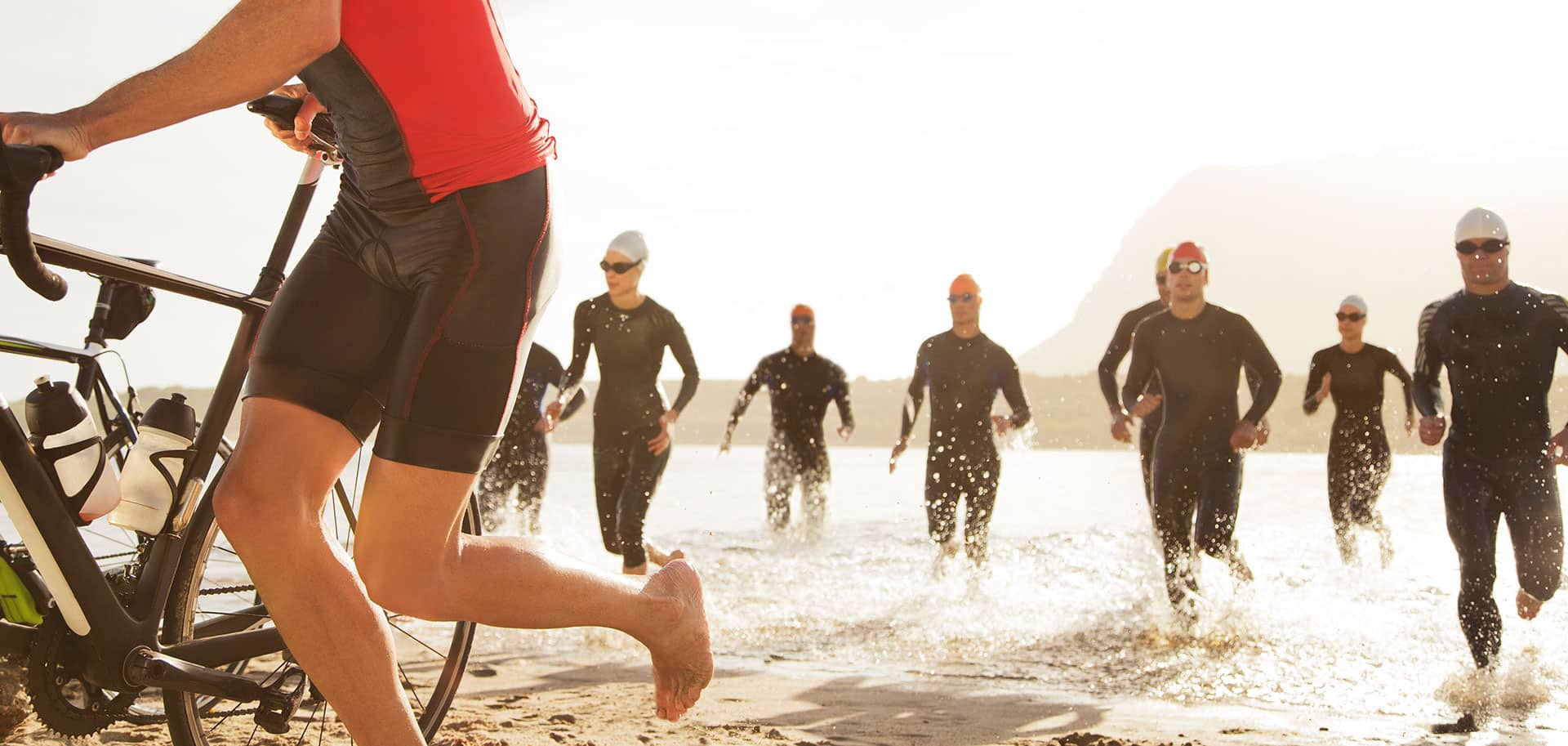
Q: I’m training for an Ironman. How should I be fueling my body during training and leading up to race day?
A: Training for an Ironman is a major commitment, and with athletes coming to Chattanooga each year, it’s worth remembering that success is built on more than fitness alone. Long swims, hours on the bike, and demanding runs require a smart, balanced approach to both training and nutrition. Your body needs steady fuel—and a sustainable training plan—to perform, adapt, and recover.
During Ironman training, everyday nutrition matters just as much as race-day fueling. Carbohydrates are the primary energy source for long workouts and should be a consistent part of meals as training volume increases. Protein supports muscle repair and helps athletes bounce back between demanding sessions, especially during peak training weeks. Hydration shouldn’t be limited to workouts—drinking consistently throughout the day helps manage fatigue and supports performance, particularly in Chattanooga’s heat and humidity.
Equally important is following an appropriate training regimen. Gradually increasing mileage and intensity allows the body to adapt while reducing the risk of overuse injuries. Sudden spikes in volume—especially in running—can place unnecessary stress on joints, muscles, and tendons. Cross-training, including swimming, cycling, and strength work, has been shown to reduce injury risk by improving overall strength, balance, and movement efficiency while limiting repetitive impact.
Long training sessions are also an opportunity to practice race-day nutrition. Waiting until energy levels crash is a common mistake. Taking in carbohydrates regularly during extended rides and runs helps maintain focus and endurance. Replacing electrolytes is equally important, as heavy sweating can quickly lead to cramping and fatigue. Training is the time to learn what foods and fluids your body tolerates under stress—not race morning.
Recovery begins as soon as the workout ends. Eating carbohydrates and protein shortly after long sessions helps replenish energy stores and repair muscle. Skipping recovery nutrition may not show immediate effects, but over time it can slow progress and increase the risk of injury. Continued hydration after workouts is just as important as fueling during them, especially as training loads increase.
As race week approaches for Ironman Chattanooga, the best strategy is consistency—in both training and nutrition. Stick with the foods, fluids, and routines that have worked throughout your preparation. Ironman success is built over months, and smart fueling combined with a well-structured training plan helps ensure all that hard work carries you across the finish line feeling strong.

Bradford Mitchell, MD
Fellowship Trained Sports Medicine & Non-Operative Orthopaedic Specialist
Whether it’s a sprain on the field, a sudden ankle injury, or a flare-up of joint pain, our Urgent + Ortho Walk-In Clinics are here to provide fast, expert care that keeps you moving.
Call, schedule online or just walk in!
