Back and neck pain are among the most common reasons people seek medical care—and for many, the discomfort can feel overwhelming, limiting daily activities and quality of life. The good news? Today’s spine care offers more options than ever before, and surgery is often not the first step.
According to Dr. Benjamin Geddes, adult and pediatric spine surgeon at Center for Sports Medicine & Orthopaedics, most patients can find relief without surgery.
“Back pain is one of the top reasons people seek medical attention, and there are a lot of options for it—many of them non-surgical,” Dr. Geddes explains. “Even as surgeons, a big part of our role is helping guide patients toward the least invasive, most effective treatment.”
A Team Approach to Spine Care
At Center for Sports Medicine & Orthopaedics, spine care is highly personalized. Patients are evaluated based on their symptoms, lifestyle, and goals, with a focus on finding the right treatment—whether that’s physical therapy, injections, or surgery when necessary.
“We try to educate patients on all of their options and what may be best for them—not just based on their condition, but also on how they live and what they want to get back to doing,” Dr. Geddes explains.
When Surgery Is the Right Option
While many spine conditions improve with conservative care, surgery can be highly effective in certain cases—especially when nerves are compressed.
Common conditions that may require surgical intervention include:
- Herniated discs
- Spinal stenosis
- Bone spurs causing nerve compression
- Sciatica (pain radiating down the leg)
- Pinched nerves in the neck or back
“The things we’re best at treating surgically are pinched nerves,” says Dr. Geddes. “When a nerve is compressed, you may feel pain, numbness, or burning. When we relieve that pressure, patients can experience significant—sometimes immediate—relief.”

Advancements in Spine Surgery
Spine surgery has evolved significantly, offering more options than traditional fusion procedures.
While spinal fusion—using rods and screws to stabilize the spine—remains an effective solution for certain conditions, newer technologies are expanding what’s possible.
“There are more and more motion-friendly treatment options becoming available,” Dr. Geddes explains. “It’s not perfect or right for everyone, but we’re continuing to move the field forward.”
For example:
- Disc replacement (especially in the neck) can preserve motion
- Minimally invasive techniques can reduce recovery time
- Advanced imaging and surgical tools improve precision
“We try to stay on top of what’s available so we can offer patients the best, most up-to-date care.”
Understanding Spine Surgery Approaches
Patients often wonder how spine surgery is performed. The answer: there are several ways to safely access the spine.
“Sometimes we go through the front, sometimes the side, sometimes the back—or a combination,” says Dr. Geddes. “Each approach has its advantages, but what matters most to patients is relieving their pain and improving function.”
Taking Care of Your Spine Every Day
While advanced treatments are available, prevention and daily care still play a critical role in spine health.
“We all deal with back pain at some point,” Dr. Geddes says. “It really comes down to what we call ‘back hygiene.’”
Simple habits can make a big difference:
- Regular stretching (especially hamstrings and lower back)
- Core strengthening exercises
- Staying active
- Practicing good posture
“Even a few minutes of stretching in the morning can help prevent flare-ups.”
Take the First Step Toward Relief
Back, neck, and spine pain may be common—but that doesn’t mean it’s something you have to accept. The first step is a consultation with one of CSMO’s spine specialists, who can help you understand your condition and guide you toward the right treatment plan.
With a full spectrum of non-operative and surgical options, the spine team at Center for Sports Medicine & Orthopaedics is here to help you find relief and get back to the life you enjoy.
Schedule your appointment today and take the first step toward moving—and living—better.
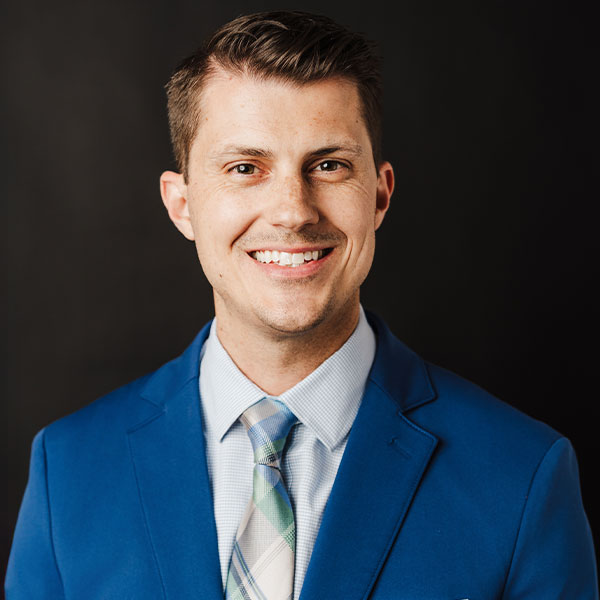
Dr. Benjamin Geddes
Fellowship Trained Adult & Pediatric Spine Surgeon
