

 When ankle pain makes it difficult to walk through the grocery store, enjoy a favorite hobby, exercise, or simply get through the day comfortably, even routine activities can become frustrating. If ankle arthritis is limiting your mobility, you may find yourself giving up the things you enjoy or wondering whether you’ll ever feel comfortable on your feet again.
The good news is that you may have options beyond living with the pain. When treatments such as physical therapy, bracing, and injections no longer provide enough relief, total ankle replacement may offer a way to reduce pain while preserving movement in the ankle joint.
At Center for Sports Medicine & Orthopaedics (CSMO), foot and ankle specialist Christopher D. Lotufo, DPM, FACFAS, helps patients explore treatment options based on their condition and goals.
Understanding Ankle Arthritis
“Severe ankle fractures and repeated sprains can damage the cartilage that cushions the joint. Over time, this cartilage may wear away, allowing the bones to rub together and causing arthritis,” says Dr. Lotufo. “Ankle arthritis can affect much more than just your ankle. When every step hurts, it can become harder to enjoy the activities you love or even get through your normal daily routine. The goal is to find a treatment that helps you move more comfortably and get back to doing the things that matter to you.”
Common symptoms include persistent pain, stiffness, and difficulty walking or participating in everyday activities. Depending on the severity, treatment may include physical therapy, ankle braces, or corticosteroid injections. If these approaches no longer provide relief, surgery may be an option.
What Is Total Ankle Replacement?
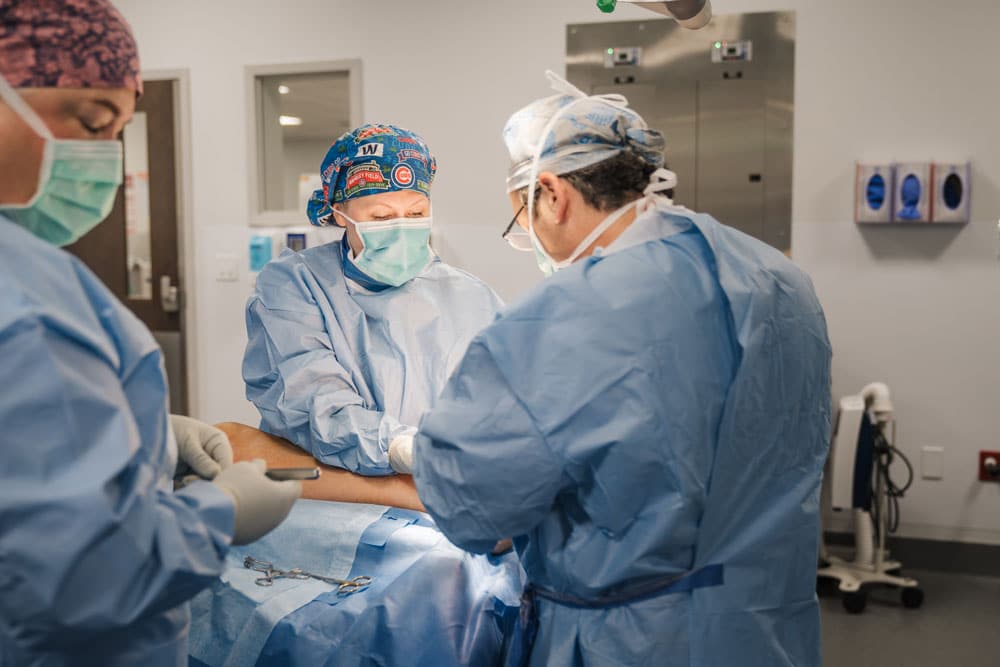
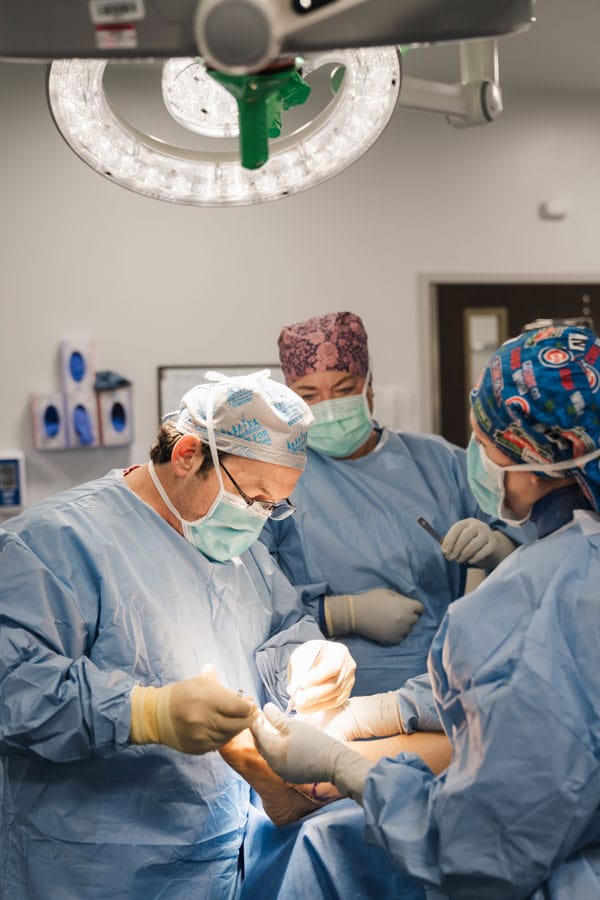
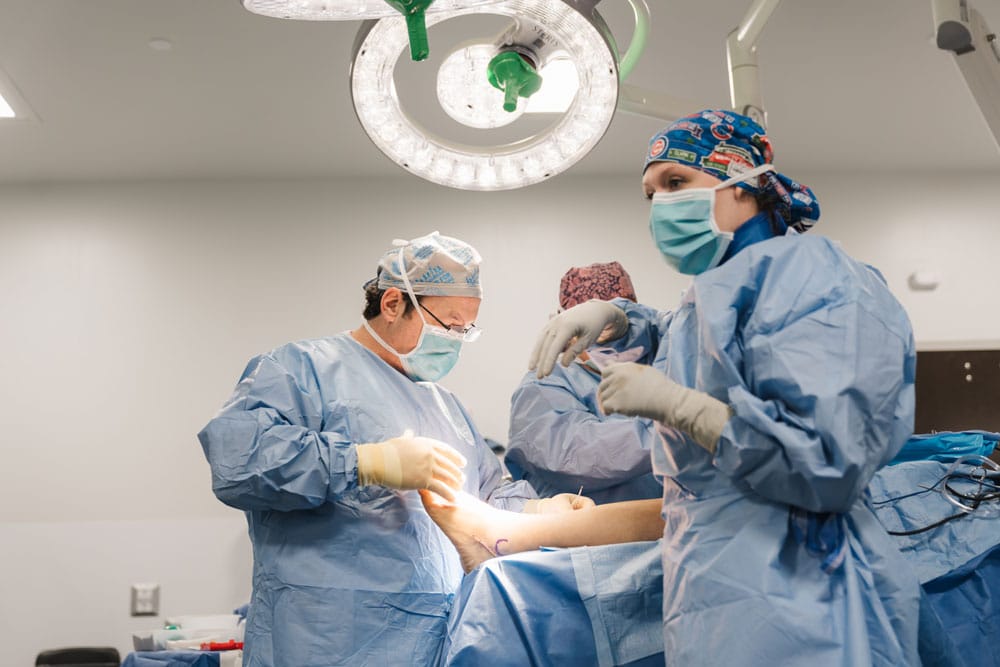
Total ankle replacement, also called total ankle arthroplasty (TAR), replaces damaged joint surfaces with artificial components made of metal and plastic. The goal is to relieve pain while preserving ankle movement. Unlike ankle fusion, which joins the bones together and limits movement, ankle replacement is designed to maintain motion while improving function. It can be an effective option for appropriately selected patients with ankle arthritis.
“One of the main goals of total ankle replacement is to relieve pain while preserving movement in the joint. That’s an important distinction from ankle fusion, which limits movement. For the right patient, ankle replacement can be an option worth exploring,” he says.
How Technology Supports Personalized Treatment
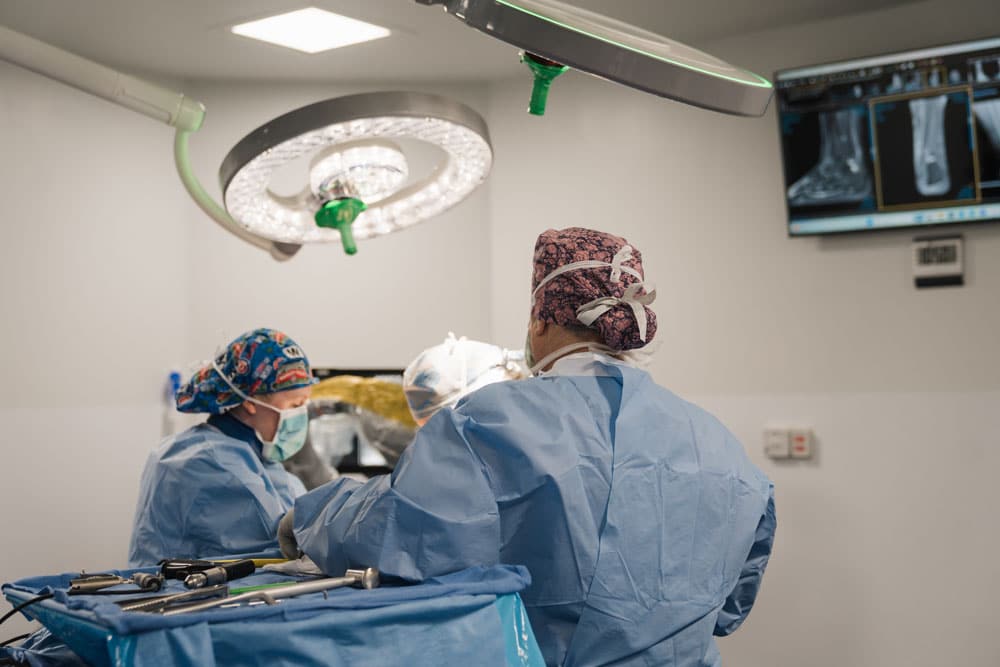
Advanced imaging and three-dimensional (3D) planning can help surgeons evaluate ankle anatomy before surgery and plan implant size, alignment, and positioning. This technology supports a personalized approach tailored to each patient’s needs.
“Every patient’s ankle is different, so planning matters,” share Dr. Lotufo. “Advanced imaging and 3D planning help us better understand a patient’s anatomy and plan implant placement. The goal is to develop an approach that fits the patient’s individual needs.”
Dr. Lotufo treats a range of foot and ankle conditions, including arthritis and injuries that cause joint damage. An evaluation can help determine whether total ankle replacement or another treatment is appropriate.
What to Expect During Recovery
Recovery after total ankle replacement takes time. Initially, treatment focuses on protecting the ankle, managing swelling, and allowing the joint to heal. Physical therapy then helps rebuild strength and improve range of motion.
Full recovery may take six months to a year, depending on the individual. Many patients can return to light recreational activities, but high-impact exercise and weight-bearing sports may place excessive stress on the implant. Your surgeon will explain activity restrictions, recovery milestones, and realistic expectations for your situation.
“Ankle replacement is not a quick fix when it comes to recovery. Healing takes time, and physical therapy is an important part of regaining strength and mobility,” he explains. “We work with patients throughout that process and help them understand when it’s safe to return to different activities.”


Take the Next Step Toward Better Mobility
Chronic ankle pain doesn’t have to keep you from the activities you enjoy. If ankle arthritis is affecting your mobility or quality of life, a foot and ankle specialist can help you understand your options.
At CSMO, our specialists provide personalized care to help patients make informed decisions about treatment and recovery.
Learn More About Total Ankle Replacement
Explore our total ankle replacement services or learn more about our foot and ankle specialists.