Overuse Injuries
Staying active is one of the best things you can do for your health—but sometimes, more isn’t always better. Overuse injuries are one of the most common reasons patients visit orthopaedic specialists, especially during busy sports seasons and spring months when activity levels increase.
According to Dr. Jason Robertson, a non-operative specialist who leads urgent and walk-in orthopaedic care, the key is learning to recognize when your body needs a break.
“Listen to your body,” says Dr. Robertson. “It’s always good to be active, but as we go through life, we need to spend just as much time—if not more—on recovery.”
What Is an Overuse Injury?
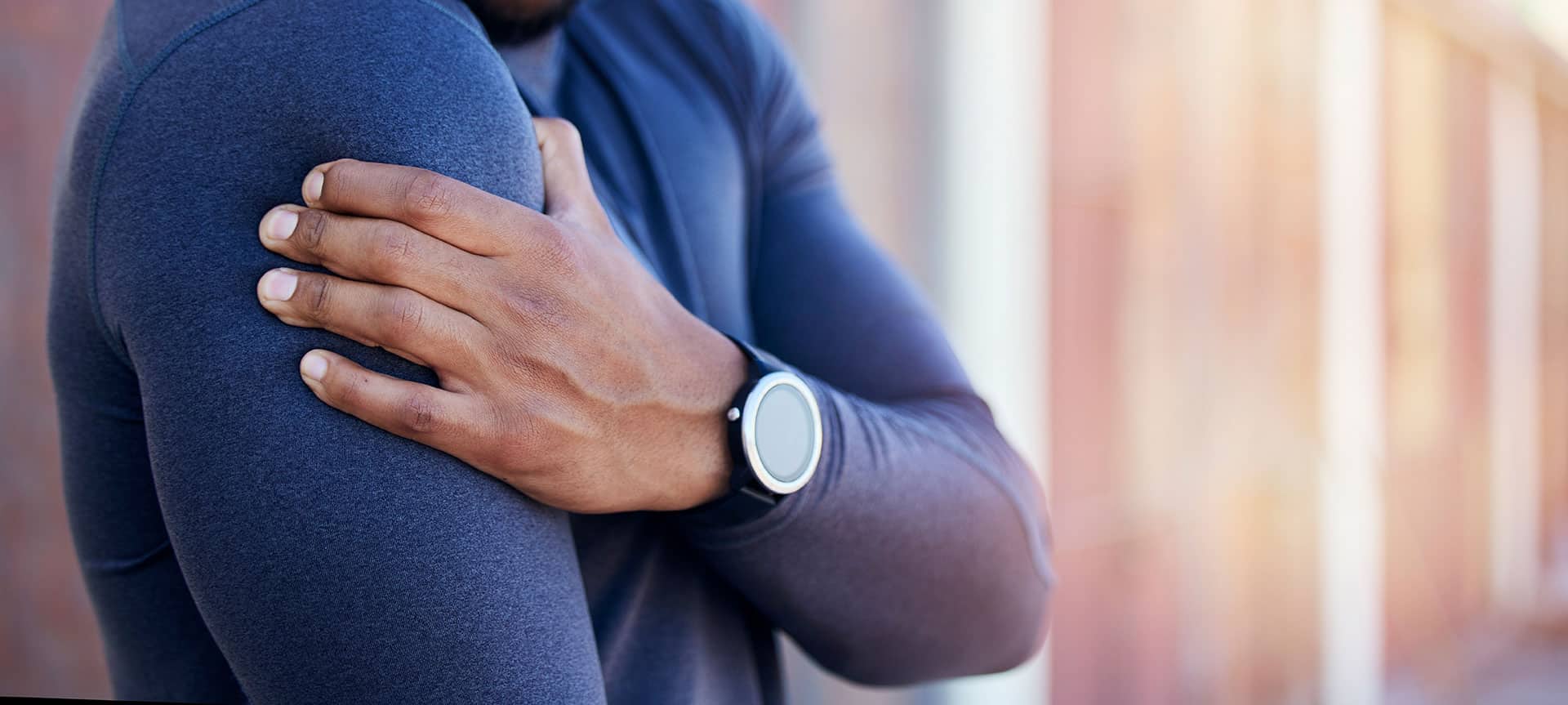
Unlike a sudden injury, overuse injuries develop gradually. They’re caused by repetitive stress on muscles, tendons, or joints—often without a single moment you can point to as the cause.
Common examples include:
- Tendonitis (elbow, shoulder, knee)
- Stress injuries
- Runner’s knee
- Pickleball-related strains and sprains
These injuries are especially common in both young athletes and active adults.
Soreness vs. Injury: How to Tell the Difference
It’s normal to feel sore after activity—but how do you know when it’s something more?
Signs it may be an overuse injury:
- Pain lasting more than a few days
- Pain that worsens with activity
- Swelling or tenderness in a specific area
- Decreased strength or performance
- Pain that starts earlier each time you’re active
“If you’re hurting and it’s affecting your sleep, your daily routine, or your hobbies, it’s time to slow down,” Dr. Robertson advises.
Why Overuse Injuries Happen
Many patients are surprised these injuries occur without a fall or accident. Common causes include:
- Increasing activity too quickly
- Playing multiple sports or seasons without rest
- Poor mechanics or technique
- Muscle imbalances
- Not allowing enough recovery time
For younger athletes, this is especially important.
“When kids are playing on multiple teams or year-round, their risk of injury goes way up,” says Dr. Robertson. “Try to stick to one sport per season and build in at least a couple months of rest each year.”
When to Treat at Home—and When to Get Checked
For mild pain, it’s okay to start with simple at-home care:
- Rest and activity modification
- Ice
- Anti-inflammatory medications
- Gentle movement
“Give it a few days,” Dr. Robertson says. “But if it’s still not improving after about a week, come get it checked out.”
For children, earlier evaluation is recommended—especially if there’s limping, difficulty walking, or pinpoint pain.
Prevention Starts with Balance
The goal isn’t to stop being active—it’s to stay active safely.
A few simple ways to reduce your risk:
- Build rest and recovery into your routine
- Avoid sudden increases in intensity
- Cross-train instead of repeating the same motion
- Warm up and stretch regularly
- Pay attention to early warning signs
Don’t Ignore the Signs
Overuse injuries are common—but they don’t have to sideline you long-term. Early attention can prevent more serious issues and help you get back to the activities you enjoy.
If something doesn’t feel right, trust your instincts—and don’t wait too long to seek care.
Walk-in orthopaedic care is available to help you get answers quickly and start your recovery with confidence.

Jason Robertson, MD
Fellowship Trained Non-Operative Sports Medicine Physician
